


7 min read

لمى عبدالرحمن
كاتب محتوى أول
Would you like to read a summary of the article?
Summarize with ChatGPT
Summarize it with Claude
Summarize it with Perplexity

Do you have two sales channels?
Watch the full success story of Shatha Boutique.
Having an online store and a physical branch does not simply mean you have two sales channels. You have one promise that you must fulfill in two places: that the item is available when the customer chooses it, and that payments, orders, and inventory reflect in a workflow that the team understands.
The experience of Shatha Boutique illustrates this challenge. Before Salla Point, sales were recorded manually and were disconnected from inventory, alongside a POS device with monthly fees and no real integration between orders, payments, and stock. After making the transition, the boutique eliminated traditional devices and their monthly fees, fully automating inventory operations and payments.
This is not just a story about a new device. It is a story about a lighter workday for the team, a faster decision for the customer, and information that you never have to search for in multiple places.

Before you reach the cashier, ask about the item
It might seem that in-store sales begin at the cashier, but they actually start much earlier. It begins when a customer asks about a color or size, and the employee needs to know whether the item is truly in stock. Here comes the question that can change the entire experience: Does the online store know what the branch sold just moments ago?
When sales are not connected to inventory, every order turns into an extra follow-up task. The team may need to update the quantity manually, review logs, and then resolve an error that could have been avoided from the start. As collections, sizes, and colors expand, this ceases to be a mere administrative detail. It becomes an integral part of the quality the customer experiences directly.
In Shatha Boutique's story, sales were disconnected from inventory; then, everything became synchronized with Salla Point. The story does not mention a specific numerical sales impact due to this integration, so it is improper to attribute any sales figure to it. However, the practical lesson is clear: if an item is sold in two places, its real-time status must be identical across both.
Apply it to your store: Learn how to manage and audit inventory and adjust quantities in the Salla Help Center.
A practical test for your team: Choose an item sold both in the branch and online. If its quantity requires a manual update after a sale, you have found the first point that needs integration.
Every time information is transferred manually, the risk of error goes with it
From a screen to a spreadsheet, from the branch to the online store at the end of the day, or from a payment log to an order log—these steps may seem straightforward when operations are limited, but they consume the team's focus and obscure critical details over time.
The Shatha Boutique story details the lack of integration between orders, payments, and inventory prior to the transition. Afterward, operations became automated and connected. The value here lies not only in eliminating a step, but in turning fragmented sales processes into a single, cohesive workflow that the team can understand and monitor.
Map out your sales journey as it currently occurs. The customer selects the item, the employee records the sale, the quantity updates, the payment appears, and the order is ready for review. Then, introduce the scenarios that truly test the system: cancellations, exchanges, returns, or shifts in stock availability. If any step requires manually transferring information, that is not a minor inconvenience. It is the exact signpost showing where you need to start.

Apply it to your store: Learn how to manage Salla Point cashier settings in the Salla Help Center.
What eliminates stress? A good system does not ask the team to remember what happened; it keeps what happened clearly visible before them.
The customer does not see the system, but they feel it
Customers do not see your inventory log or cashier settings, but they immediately feel their impact. If an employee has to check availability manually, or if payment is delayed because the device needs to be charged, an operational hiccup turns into a frustrating wait right in front of the customer.
This was precisely highlighted in Shatha Boutique's experience before Salla Point: a device requiring constant charging that could shut off unexpectedly, causing payment delays and awkward situations with customers. After switching, the story highlighted a fast, secure, and modern buying and selling experience.
That is why you shouldn’t review branch operations solely from behind an office desk. Stand at the point of sale. Does the employee know what to do when stock availability changes? Is the payment process straightforward? Do they know how to handle exchanges or returns? Every store encounters edge cases, but a great experience never lets the customer see the friction behind the scenes.
Apply it to your store: Learn how to install and set up the Salla Point app on your mobile phone in the Salla Help Center.
The customer experience starts here: Customers do not buy your system, but they instantly know whether it is helping them or holding them back.
Payment is part of the journey, not a detached touchpoint
Not every customer is ready to complete their purchase the same way. A customer might choose an item in the branch and require a clear payment link, or wish to finalize the order after a quick review. In Shatha Boutique's story, direct payment links were among the tools leveraged alongside inventory and payment automation.
The value is not merely in sending a link whenever a customer asks, but in the team knowing when to use it and how to track the order once paid. When payments are connected to orders and inventory, the customer journey remains seamless, and every transaction is captured in a transparent log.
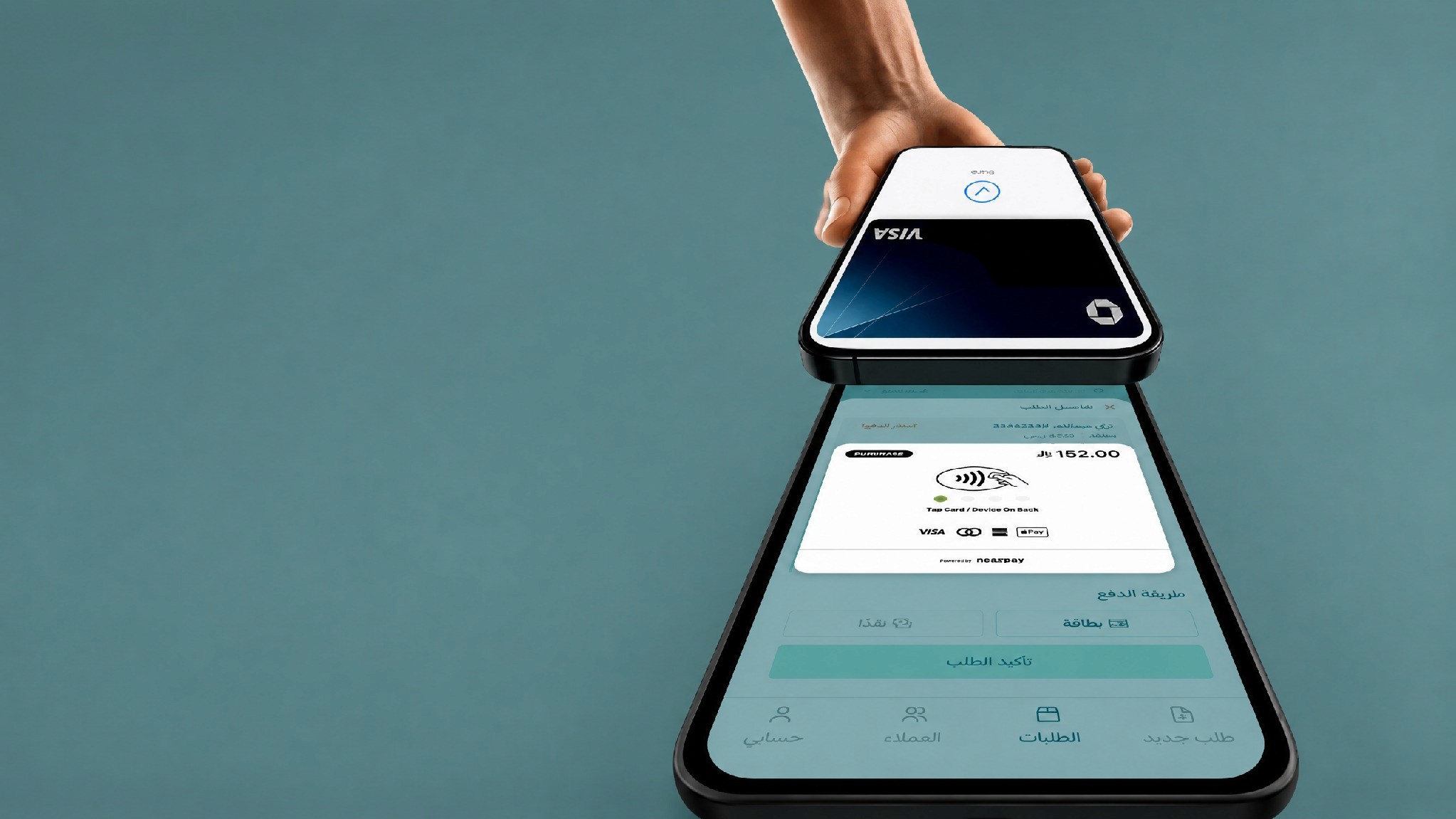
Apply it to your store: Explore the payment methods available to complete orders at the cashier in the Salla Help Center.
The real benchmark: Seamless payment does not simply mean more options; it means both the customer and the team know exactly what happens after each choice.
Hidden Invoices
The price of a device or subscription is often the first thing you see when comparing options, but it is not all you pay for. In Shatha’s experience, monthly fees accrued even when the boutique did not use the device, alongside the upfront hardware cost. There is also another cost that never appears on a single invoice: the team’s valuable time spent on manual sales entries, reconciliations, audits, and resolving errors born of fragmented operations.
Before comparing any solution, account for two types of costs. The first is direct: fees, hardware, or subscriptions. The second is operational: How many times does a customer wait? How many minutes does an employee spend transferring data? And how many decisions are delayed because information is scattered across different places?
Shatha Boutique's story offers no guaranteed numbers, but it poses an indispensable question: Are you paying only for the tool, or are you also paying the cost of keeping every operation completely separate from the next?
The point worth calculating: Sometimes, the greatest cost is not what you pay for the system, but what you pay every single day because your processes fail to talk to each other.
Make all sales operations stem from a single point
Your physical branch and online store do not need identical customer experiences, but they do require a single operational source of truth: the same product, the same inventory, the same order data, and a clear record the entire team understands.
The Shatha Boutique team sums up their experience by saying:
Before any event or in-person sale, check your Salla Point setup.
"Salla Point was the missing piece every merchant needed to complete their business. It is more cost-effective, easier to use, faster, and everything is seamlessly linked to inventory."
Owner of Shatha Boutique
The Shatha Boutique experience is a living example of a successful abaya brand that started as a physical boutique and expanded into e-commerce. Explore Salla's solutions for abaya stores and launch your online store today.
Start with a single item sold both in your branch and online store. Track it from the moment it is selected until the quantity is updated and payment is recorded. If you find yourself manually transferring information more than once, you have found your most immediate opportunity for improvement today.
Is selling digital cards profitable? Calculate profit and set your selling price
6 minutes read

Wholesale Digital Cards: How to Choose the Supplier and Sourcing Method?
5 minutes read
What are the requirements for selling digital cards in Saudi Arabia? A guide before launching your store
6 minutes read
لمى عبدالرحمن
كاتب محتوى أول
3
Article
Featured author

E-commerce
Is selling digital cards profitable? Calculate profit and set your selling price
Selling digital cards can be profitable, but total sales do not tell you how much you have left. Start with the card cost, payment, processing, marketing fees, and expected chargebacks, then compare what remains with the store's fixed expenses. If the margin is tight, sales may increase while you still…
6 minutes read
Mohammed Al-Anazi

E-commerce
Wholesale Digital Cards: How to Choose the Supplier and Sourcing Method?
Choosing a gift card supplier doesn't start with the lowest price on the list. You need a reliable source, clear authorization to resell the products you choose, accurate details regarding country and denomination, and a way to resolve orders if an issue occurs. Then, compare price, availability, and API integration to best suit your needs…
5 minutes read
Mohammed Al-Anazi

E-commerce
What are the requirements for selling digital cards in Saudi Arabia? A guide before launching your store
Before you sell your first digital card in Saudi Arabia, you need to sort out two things together: an e-commerce business that is transparent to the customer, and your right to sell the card you are offering. Setting up a store and accepting payments does not, by itself, prove that the supplier authorizes you to resell every code in their catalog. And on the other hand…
6 minutes read
Mohammed Al-Anazi

E-commerce
How to Open a Gift Card Store on Salla? From Choosing the Platform to Organizing Your Orders
You can launch a digital card store on Salla with just a few products, as long as you know their source, how to sell them, prepare a clear page for each card, and test a complete order before driving people to the store. The starting point isn't designing a fancy storefront; it's making sure the right product is delivered…
5 minutes read
Mohammed Al-Anazi


